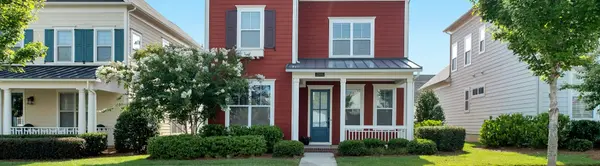
Break-Even Analysis: How Long Until Buying Beats Renting in Dilworth

Buying can beat renting in Dilworth when you stay long enough for equity growth and rising rent to offset the upfront cost of ownership. The crossover is rarely immediate, particularly for buyers comparing a high-value home with a genuinely similar rental. A useful Dilworth break-even analysis starts with the monthly payment, but it also accounts for the cash committed at closing, ongoing property costs, and the length of time you expect to own. That framework helps move-up buyers decide whether their next purchase supports both their lifestyle and financial timeline.
Buying vs. Renting in Dilworth: Key Numbers
Using the May 2026 Charlotte reference median, these inputs provide a starting point for a Dilworth-specific comparison.
| Metric | Current reading |
|---|---|
| Charlotte reference median sale price | $440,000, May 2026 |
| National 30-year fixed mortgage average | 7.28%, October 1, 2026 |
| Estimated principal and interest on an 80% loan | About $2,400 monthly |
| Illustrative loan amount with 20% down | $352,000 |
The figures above are planning inputs rather than a substitute for matching a specific Dilworth home to a similar rental in size, condition, location, and lease terms.
What Is a Break-Even Analysis?
A break-even analysis identifies the point when the cumulative financial cost of owning a home becomes lower than the cumulative cost of renting a comparable home. It is more than a comparison between a monthly mortgage payment and monthly rent because it measures how initial costs, recurring expenses, equity, and changing housing costs interact over time.
Buying carries several cost buckets: down payment opportunity cost, closing costs, mortgage interest, property taxes, homeowners insurance, and maintenance or association expenses. Ownership may also build equity through principal reduction and potential appreciation.
Renting has its own cost buckets, including monthly rent, expected annual rent increases, renter’s insurance, and possible moving costs after a lease ends. For a meaningful Dilworth comparison, the rental should resemble the home you would realistically purchase in location, size, condition, and lifestyle fit. Comparing a renovated single-family home with a smaller apartment can produce a misleading answer.
Monthly Cost Breakdown: Buying vs. Renting in Dilworth
A useful buying-versus-renting comparison matches the same housing category on both sides. The principal-and-interest estimate below uses the $440,000 Charlotte reference price, 20% down, and the 7.28% national 30-year fixed benchmark reported by Freddie Mac PMMS on October 1, 2026.
| Cost line | Buying | Renting |
|---|---|---|
| Mortgage principal and interest | About $2,400 monthly on a $352,000 loan | Not applicable |
| Property taxes | Depends on assessed value and ownership eligibility | Included in rent |
| Homeowners insurance | Depends on coverage, home condition, and deductible | Not applicable |
| HOA or maintenance reserve | Depends on property type and community | Usually included in rent |
| PMI, if applicable | May apply below 20% down | Not applicable |
| Monthly rent | Not applicable | Comparable Dilworth lease required |
| Renter’s insurance | Not applicable | Tenant-paid policy cost |
| Total | Property-specific ownership total | Lease-specific rental total |
The best comparison begins with the home type and monthly range you are considering in Dilworth, then uses a comparable active lease as the rental side of the calculation.
Buying vs. Renting in Dilworth: Upfront Costs to Recover
The break-even clock starts with the one-time expenses a buyer needs to recover over the planned ownership period. The down payment is usually the largest cash commitment because those funds could otherwise remain invested, support a business objective, or provide additional reserves. Its opportunity cost depends on the return a buyer reasonably expects elsewhere, not on a guaranteed outcome.
Buyers should also account for lender charges, title-related expenses, prepaid property taxes, prepaid insurance, and initial escrow funding. These amounts vary by loan structure, purchase price, closing date, and the property itself. Rather than relying on a generic percentage, use a written Loan Estimate to understand the cash needed for a specific purchase. The Consumer Financial Protection Bureau’s Loan Estimate guidance explains the categories buyers can expect to review before closing.
Those upfront costs become more manageable when they are spread across a longer ownership period. A buyer planning to stay three years must recover the same initial outlay much faster than someone planning to stay seven years. In Dilworth, that distinction matters because homes can range from condos and townhomes to renovated historic properties with very different maintenance expectations and carrying costs.
The Break-Even Formula
Break-Even Month ≈ (Total Upfront Costs) ÷ (Monthly Renting Cost − Monthly Owning Cost after equity & tax benefit)
When the monthly ownership cost is already lower than rent, break-even is driven entirely by how fast the upfront costs are recovered. When ownership costs more per month, break-even only arrives once equity gains and rent appreciation tip the balance — so run both scenarios.
How Long Until Buying Beats Renting in Dilworth?
Buying tends to become more favorable in Dilworth after a multi-year hold when the ownership payment is reasonably close to the rent for a comparable home. The precise crossover is property-specific because rent, taxes, insurance, maintenance, and loan terms can vary meaningfully even within the same neighborhood.
For an illustrative $440,000 purchase with 20% down, the loan amount is $352,000. At the 7.28% national 30-year fixed benchmark reported on October 1, 2026, principal and interest is about $2,400 per month before property taxes, insurance, and maintenance. This scenario avoids PMI, although it requires a larger initial cash commitment and creates a larger opportunity-cost consideration.
With 5% to 10% down, the buyer keeps more liquidity but finances a larger balance. PMI may apply, which raises the monthly ownership cost and can extend the break-even window. The lower upfront commitment can still fit a buyer who prioritizes reserves or wants to retain capital for other goals.
A responsible calculation should use conservative assumptions for future rent growth and home appreciation rather than treating either as guaranteed. The key input is the rent for a truly comparable Dilworth lease. In practical terms, buyers who expect to stay through a multi-year ownership period are better positioned for buying to beat renting than buyers who may need flexibility within only a few years.
Break-Even Timeline: Dilworth vs. Nearby Markets
The comparison below shows why a neighborhood-level break-even decision requires matched property and rental inputs. A Charlotte-wide median can help establish an initial price point, but it cannot replace a specific Dilworth home and comparable lease.
| Market name | Home-price input | Comparable rent | Estimated monthly ownership cost | Estimated break-even timeline |
|---|---|---|---|---|
| Dilworth | Property-specific | Match by home type, size, and condition | Loan, taxes, insurance, and maintenance combined | Depends on the matched rental and planned hold period |
| Charlotte reference market | $440,000, May 2026 | Match by home type, size, and lease terms | About $2,400 monthly for principal and interest with 20% down | Multi-year planning horizon |
The Charlotte reference median comes from the Canopy Realtor Association’s May 2026 market reporting. Dilworth can be more or less favorable than a broader Charlotte comparison depending on the rent-to-price relationship for the specific home category you want.
Factors That Shift Your Break-Even Date
The break-even date changes whenever the upfront cost or the monthly gap between renting and owning changes. Five variables deserve close attention for a Dilworth buyer.
First, mortgage rates can move the payment quickly. On a $352,000 30-year loan, a half-point rate increase from 7.28% to 7.78% raises principal and interest by roughly $120 per month. A lower rate can shorten the time needed for ownership to become more competitive.
Second, the down payment affects both the loan balance and the possibility of PMI. More money down can reduce the monthly payment, while less money down can preserve liquidity but increase the carrying cost.
Third, rent growth and home appreciation influence the longer-term comparison. Faster rent growth can make ownership relatively more attractive, while slower appreciation can lengthen the recovery period. Neither should be treated as certain.
Fourth, property taxes, insurance, and maintenance vary by property. A larger home or an older property may require a more substantial maintenance reserve than a newer condo or townhome.
Finally, planned length of stay is decisive. The longer you expect to remain in the home, the more time there is to distribute the initial costs across your ownership period.
Pro-Tip: Plan for a multi-year stay before expecting buying in Dilworth to clearly outperform renting. A property-specific model is more useful than a generic rule because the comparable rent and home type drive the result.
When Renting Can Still Be the Better Choice
Renting can be the stronger financial choice when your expected stay is shorter than the likely multi-year break-even period. A near-term job change, family transition, or uncertain location preference can make flexibility more valuable than the potential long-term benefit of ownership.
Renting may also make sense when the down payment would materially reduce your cash reserves or take capital away from a higher-priority investment objective. At a 7.28% mortgage-rate benchmark, ownership costs can rise quickly for homes in Dilworth’s upper price ranges, especially when taxes, insurance, and maintenance are added to principal and interest.
The rental option can also be more practical when the homes available within your budget do not meet your intended lifestyle needs. A spreadsheet may eventually show a crossover, but buying a home that does not fit your space, location, or long-term plans can weaken the value of that financial result.
Ready to Run the Numbers for Your Situation?
For a buying-versus-renting break-even analysis in Dilworth, contact David Lee at Luxe By Lee Real Estate & Investments at 704-502-5807 or david.lee@luxebyleerei.com to compare a specific home, loan structure, comparable rent, and expected holding period.
Frequently Asked Questions
How long does it take for buying to be cheaper than renting in Dilworth?
For many Dilworth buyers, ownership becomes more competitive over several years rather than several months. The actual crossover depends on the home’s full ownership cost, comparable rent, down payment, and planned length of stay.
What upfront costs do buyers in Dilworth need to factor into a break-even calculation?
Buyers should include the opportunity cost of the down payment, lender charges, title-related expenses, prepaid taxes and insurance, and initial escrow funding. A written Loan Estimate provides the clearest view of the costs attached to a specific loan and purchase.
How does the current mortgage rate affect the break-even timeline?
A higher rate raises the monthly ownership cost and can move the crossover later. On a $352,000 30-year loan, moving from 7.28% to 7.78% adds roughly $120 per month in principal and interest before taxes, insurance, and maintenance.
Is it better to buy or rent in Dilworth right now?
Buying can fit a buyer with a stable multi-year plan and a home that supports long-term needs, while renting can be more practical for a shorter or uncertain timeline. The Charlotte reference median was $440,000 in May 2026, but a Dilworth decision should rely on a specific property and genuinely comparable lease.
How does renting vs. buying in Dilworth compare to nearby areas?
The answer can change across Charlotte because home prices, rents, property types, and maintenance expectations differ by neighborhood. Use the same loan assumptions and comparable housing standards to determine whether Dilworth best fits your budget and timeline.
Recent Posts