From NoDa Apartment to NoDa Homeowner: A Realistic Path for Renters

If you're renting in NoDa and planning to buy within the next year, it's more achievable than you think. With median NoDa home prices and neighborhood rents, the math increasingly favors buying. Especially when North Carolina down payment assistance programs can help you toward your purchase. This guide walks you through every step of the transition, from shoring up your finances to making a confident offer in one of Charlotte's most sought-after zip codes.
Why NoDa Renters Are in a Prime Position to Buy Right Now
NoDa renters already hold one of the most powerful advantages in the homebuying process: you know exactly what you're getting into. You've lived the walkability, the murals on Davidson Street, the neighborhood breweries, and the easy transit access to Uptown. That local knowledge is something no relocating buyer from out of state can replicate, and it matters when you're making one of the biggest financial decisions of your life.
The market is also shifting in buyers' favor. Mecklenburg County inventory rose 15.6% year over year in February 2026, giving buyers more options and slightly more negotiating room than in prior years. Homes in NoDa are spending longer on the market around 70 days, compared to 41 days a year ago, which means less frantic bidding than NoDa buyers faced in 2021–2022.
Mecklenburg County's homeownership rate currently sits at approximately 55%, according to the U.S. Census Bureau's American Community Survey (2020–2024 estimates). That means roughly 45% of county residents are still renting. You're far from alone, but you also have a clear opportunity to start building long-term equity in a neighborhood where prices have appreciated significantly year over year.
Getting Your Finances Ready: The NoDa Homebuyer's Checklist
Getting your finances in order is the single most important step on the path to NoDa homeownership, and it should start at least six months before you plan to make an offer. Here's exactly what lenders will evaluate:
|
Financial Factor |
What Lenders Want to See |
|
Credit Score |
640+ for NCHFA-backed programs; 580+ for standard FHA (3.5% down) |
|
Down Payment |
As little as 3% conventional — $15,600 on a $520K home |
|
Debt-to-Income (DTI) |
Total monthly debts ≤ 45% of gross monthly income |
|
Cash Reserves |
2–3 months of mortgage payments in savings post-close |
|
Pre-Approval Letter |
Required before touring — sellers won't engage without one |
One important note on down payments: you don't need 20%. Conventional loans start at 3% down, and if that still feels steep while paying NoDa rent, the next section covers the North Carolina assistance programs that can close that gap.
North Carolina Down Payment Assistance: What NoDa Homebuyers Should Know
North Carolina offers some of the most accessible homebuyer assistance programs in the Southeast, with income limits well above what many first-time buyers expect.
NC 1st Home Advantage Down Payment For first-time buyers and eligible military veterans, this program offers:
- $15,000 in down payment assistance as a 0% deferred second mortgage
- Full forgiveness after 15 years
- Income limits that vary by household size and county, visit the NCHFA website for current Mecklenburg County income limits before assuming you qualify
- Purchase price ceiling of $525,000 as of June 2026, covering a meaningful range of NoDa condos, townhomes, and some entry-level single-family homes
NC Home Advantage Tax Credit (Mortgage Credit Certificate) Eligible first-time buyers can save up to $2,000 per year in federal taxes through a Mortgage Credit Certificate (MCC). The MCC converts a portion of your annual mortgage interest into a dollar-for-dollar federal tax credit, separate from, and in addition to, the standard mortgage interest deduction. The MCC must be applied for before your loan is approved and works alongside your NC Home Advantage Mortgage, so it's worth raising with your participating lender from the very first conversation. Over the life of a 30-year mortgage, that $2,000 annual credit compounds into real, meaningful savings.
These programs can be stacked with certain conventional and FHA products, which can dramatically reduce what you need to bring to the closing table. Connect with a participating NCHFA lender early, before you start touring homes.
Understanding the NoDa Market: What Buyers Are Actually Competing For
NoDa's housing market is specific, and understanding the numbers will save you frustration. Here's a snapshot of current conditions:
|
Metric |
NoDa |
|
Median Sale Price |
~$520,000 |
|
Year-over-Year Appreciation |
+6.3% |
|
Median Price per Sq. Ft. |
~$342 |
|
Avg. Days on Market |
~70 days (vs. ~41 days one year prio) |
|
30-Year Fixed Rate |
6.43% (July 2, 2026) |
|
Est. Monthly P&I (10% down) |
~$2,980/mo |
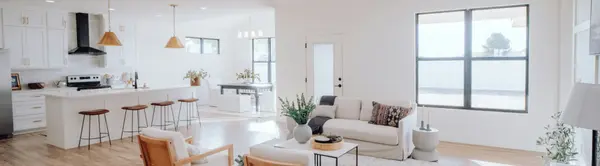
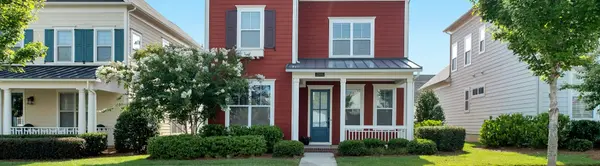
What $520K typically gets you in NoDa. Expect renovated mill-era bungalows and craftsman cottages, newer townhomes and attached units, and a growing inventory of modern condos. Entry-level single-family homes are rare below $400K; townhomes and condos offer more accessible price points for first-time NoDa homebuyers.
On monthly costs. At a 6.43% rate with 10% down on a $520,000 home, your principal and interest runs approximately $2,980/month, before taxes, insurance, and HOA fees. Compare that to the neighborhood's average apartment rent of $1,617/month, and you'll see why building your financial foundation before buying is essential.
The Step-by-Step Path from NoDa Renter to NoDa Homeowner
The NoDa path from renter to homeowner follows a predictable sequence, knowing each phase prevents costly mistakes.
- Set your timeline and target price. Work backward from when your current lease ends. If you're 8–12 months out, you have enough runway to build credit, grow savings, and explore down payment assistance without rushing.
- Get pre-approved. Not just pre-qualified. Pre-qualification is a rough, self-reported estimate. Pre-approval involves a hard credit pull and document verification, it's what sellers respect. Compare multiple lenders; even a 0.25% rate difference on a $520K loan saves thousands over 30 years.
- Hire a local NoDa-fluent agent. NoDa has its own pricing micro-climate, its own HOA quirks in townhome communities, and its own pockets of value. An agent who has closed deals in this neighborhood will catch things a generalist misses. Learn more about working with David Lee at Luxe By Lee Real Estate & Investments.
- Identify your must-haves vs. nice-to-haves. You may face a trade-off: a larger renovated bungalow slightly farther from Davidson Street versus a walkable townhome closer to Uptown transit connections. Clarify your priorities before you start touring.
- Make a well-structured offer. You have more leverage now than buyers did two years ago, but a well-organized offer still matters. Your agent will help you position earnest money, contract terms, and timelines strategically.
- Prepare for closing. North Carolina is an attorney state, a licensed NC attorney must conduct your closing, with fees typically running $500–$800. Also budget for Mecklenburg County's excise tax of $1 per $500 of the sale price (roughly $1,040 on a $520K purchase).
The Renter-to-Homeowner Mindset Shift Every NoDa Buyer Needs to Make
The renter-to-homeowner mindset shift is a fundamental change in how you think about your monthly housing payment: instead of a recurring expense that builds someone else's wealth, a mortgage payment is a monthly contribution toward an asset you own outright over time. That reframe changes everything about how you approach your finances.
Every dollar of principal you pay down builds equity in a neighborhood where the median home value has climbed roughly $31,000 over the past year. Every year you own instead of rent is a year your NoDa home, not your landlord's is accruing value. The creative energy and genuine community that drew you to NoDa as a renter don't disappear when you own; they become part of something you've permanently planted yourself in.
The transition isn't about having everything perfect. It's about having enough. Enough credit, enough savings, and enough clarity about what you want, to take a smart, well-supported first step.
Ready to map out your timeline? Schedule a free buyer strategy call with David Lee and let's take that first step together.
Frequently Asked Questions
- How much do I need to earn to buy a home in NoDa, Charlotte?
At a median NoDa price of $520,000 with 10% down and a 6.43% mortgage rate, your principal and interest payment is approximately $2,980/month. To keep that P&I alone below 28% of gross income, a common lender benchmark you'd need a household income in the range of $120,000–$130,000 annually. (This is a rough reference based on principal and interest only; your actual total housing costs, including property taxes, insurance, and HOA fees, will be higher, so confirm your specific numbers with a lender.) NC down payment assistance programs can lower your upfront cash requirements, though income limits apply, so review NCHFA eligibility criteria early.
- Can I use the NC 1st Home Advantage Down Payment in NoDa?
Yes. As of June 2026, the program's purchase price ceiling is $525,000, which covers many NoDa condos, townhomes, and some entry-level single-family homes. Income limits vary by household size and county; check the NCHFA income limits page for Mecklenburg County specifics before assuming you qualify.
- Is NoDa a good long-term investment for first-time buyers?
NoDa has seen consistent year-over-year price appreciation through mid-2026, driven by its walkable amenities on Davidson Street, proximity to Uptown, and strong draw for the creative community. No investment is guaranteed, but NoDa has structural advantages, limited land supply, transit access, and a distinct cultural identity that tend to support long-term value.
- What's the difference between pre-qualification and pre-approval?
Pre-qualification is an informal estimate based on self-reported financial information and carries no weight with NoDa sellers. Pre-approval involves a verified review of your income, assets, and credit, resulting in a formal lender letter confirming the loan amount you qualify for. In Charlotte's active market, you should not begin seriously touring homes without a pre-approval letter in hand.
- How long does it take to go from NoDa renter to NoDa homeowner?
For buyers who are financially ready, the process from accepted offer to closing in North Carolina typically takes 30–45 days. But "ready" is the operative word. If you need to build credit, reduce debt, or save a down payment, budget 6–12 months of preparation time before you begin actively touring. Starting that preparation now, while you're still renting, is the single most effective thing you can do.
- Are there HOA fees in NoDa townhome communities, and how do they affect mortgage qualification?
Yes. Many of NoDa's newer townhome and attached-unit communities carry HOA fees ranging from roughly $150–$400/month. These fees count toward your total monthly debt obligations when lenders calculate your DTI ratio, which can meaningfully affect how much mortgage you qualify for. Factor HOA costs into your budget before falling in love with a specific community.
Recent Posts